Why Your Texas Heat Pump Blows Cold Air During Freezing Nights
When winter temperatures suddenly drop, discovering your heat pump blowing cold air is alarming. At DD Mechanical Services we receive a flood of urgent calls during the first hard freeze from homeowners convinced their heating equipment has completely failed. The reality of how these units operate under extreme weather conditions often contradicts what most people assume.
Understanding the mechanical phases of your system saves you from unnecessary panic and avoidable service fees. We are going to break down exactly what happens inside your exterior unit when the temperature plunges. Knowing the difference between a normal operational cycle and a genuine mechanical failure puts you in control of your winter comfort.
Here is what we cover below:
- The Mechanics of Defrost Mode
- Auxiliary Heat and Temperature Drops
- Recognizing True Equipment Failures
- Frequently Asked Questions
- Securing Reliable Winter Heating
The Mechanics of Defrost Mode
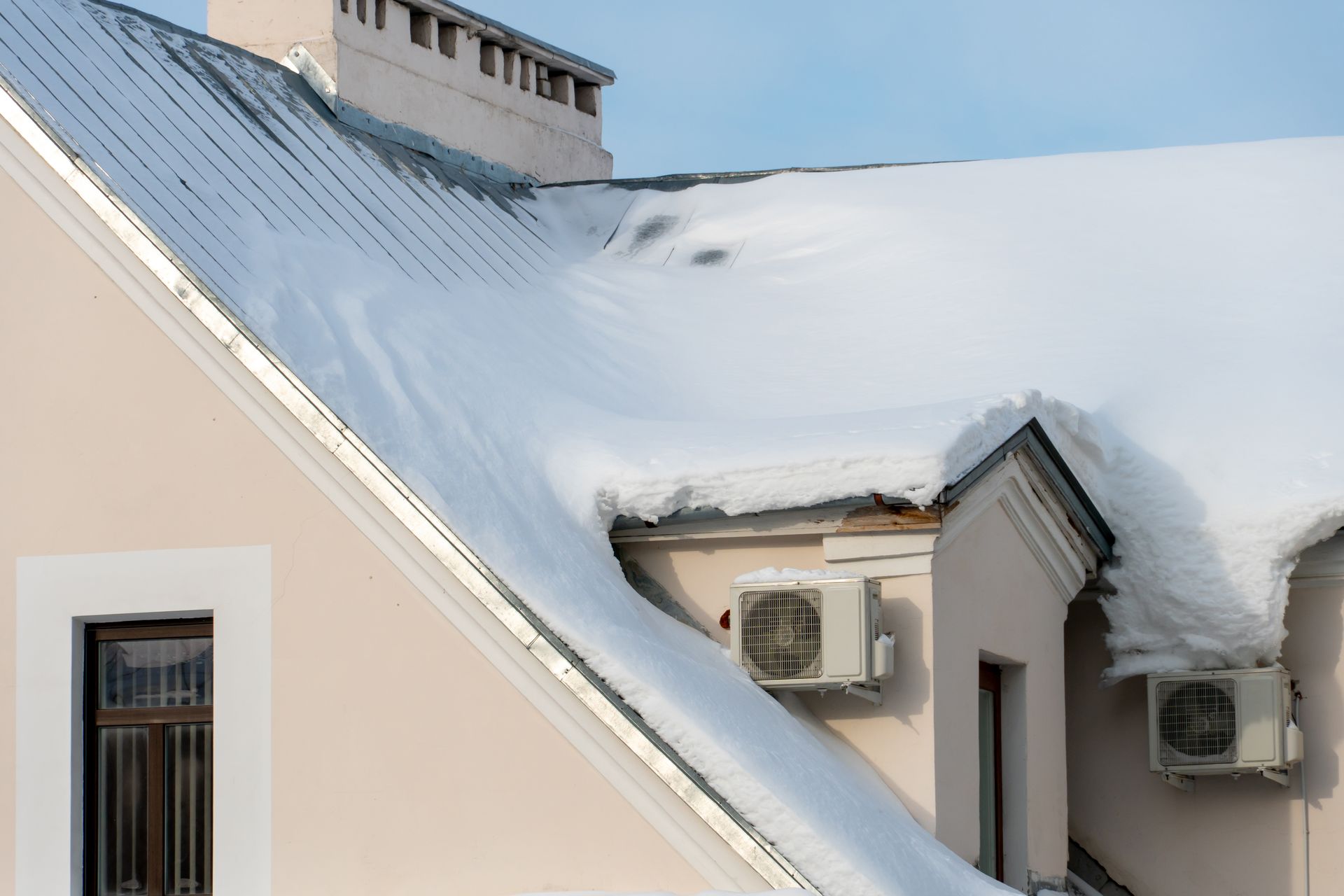
Many homeowners assume that a heat pump should produce a continuous stream of hot air regardless of the outside weather. In trade reality, a heat pump extracts ambient heat from the outdoor air and transfers it inside. When the temperature in Katy, Texas drops near freezing, moisture in the air condenses and freezes directly onto the outdoor coil. To protect itself from turning into a solid block of ice, the unit temporarily reverses its operation to melt that frost.
During this defrost cycle the system briefly switches back into air conditioning mode to send hot refrigerant outside. If you are wondering why is my heat pump blowing cold air when it is freezing outside, this cycle is the exact reason. The system is intentionally pulling heat from your house for a few minutes to thaw the outdoor coil. Once the ice is gone the reversing valve shifts again and warm air returns to your vents.
→ From a professional standpoint: A normal defrost cycle should last no longer than fifteen minutes before normal heating resumes.
Auxiliary Heat and Temperature Drops
Another common misconception is that the primary compressor can handle any temperature drop on its own. Heat pumps are incredibly efficient, but their heating capacity drops significantly when the outdoor air gets too cold. To compensate for this loss of efficiency the system relies on a secondary heat source known as auxiliary heat. This usually consists of electric heat strips installed inside the indoor air handler.
When the system enters defrost mode or struggles to keep up with the thermostat setting, the auxiliary heat strips activate. The air coming out of your vents during this phase might feel cooler than the output of a traditional gas furnace. A gas furnace produces air around one hundred and twenty degrees, while a heat pump with auxiliary strips might only produce air around ninety degrees. Because human skin temperature is close to ninety degrees, the air blowing on you can physically feel cool even though it is actively heating the room.
Recognizing True Equipment Failures
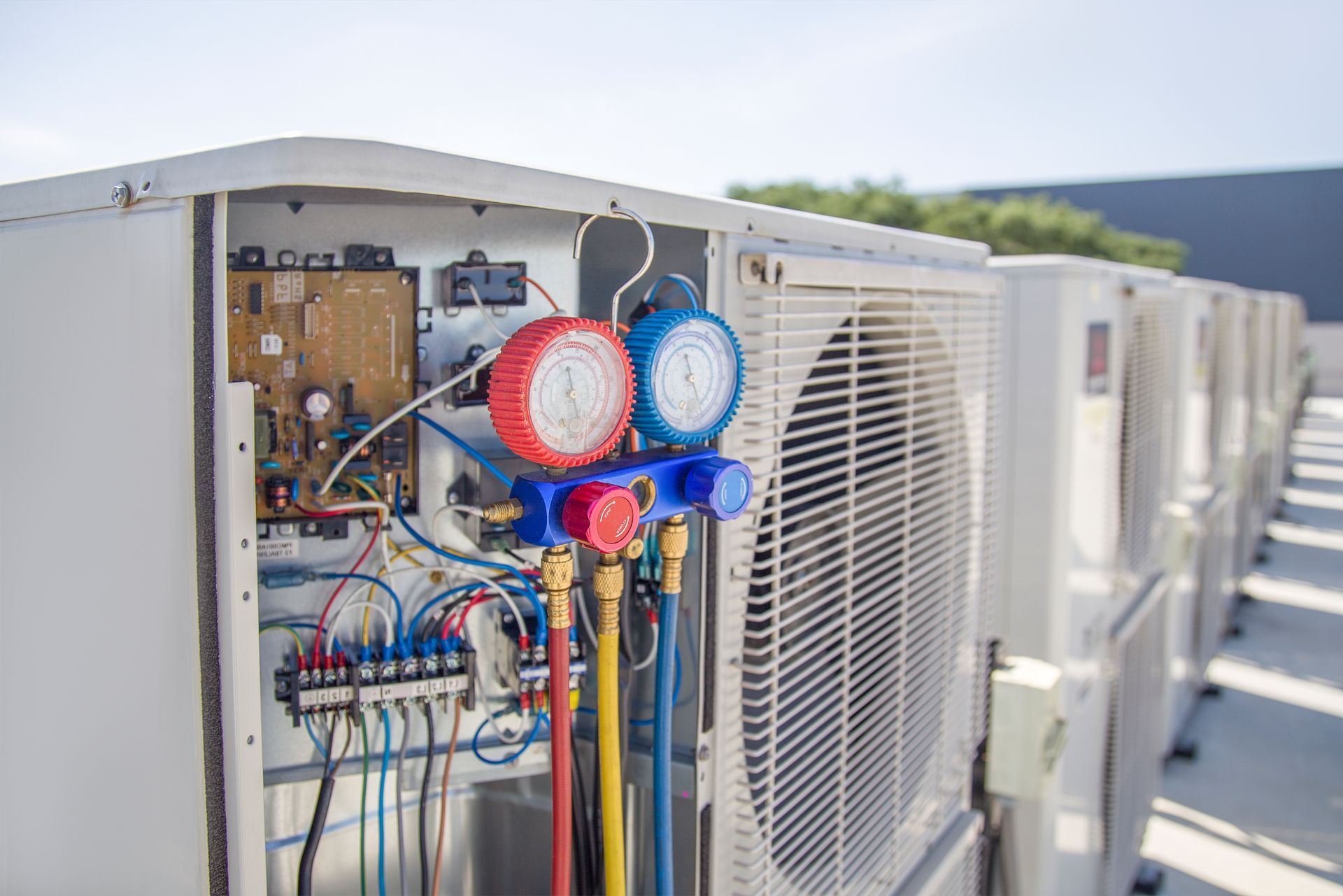
While defrost cycles and auxiliary heat explain most instances of cool air, actual mechanical failures do happen. If the system blows aggressively cold air for more than an hour without ever warming up, you have a problem that requires professional heating repairs. A unit stuck in cooling mode often points to a failed reversing valve that cannot physically shift the flow of refrigerant back to the heating cycle.
Another serious issue is a low refrigerant charge caused by a hidden leak in the copper lines. Without enough refrigerant the system cannot absorb enough thermal energy from the outside air to warm your home. Ignoring a system that runs continuously without actually heating the space will eventually burn out the compressor. Scheduling routine maintenance is the best way to catch these issues before the freezing weather arrives.
Frequently Asked Questions
Should I turn on emergency heat if the air feels cold?
You should only use the emergency heat setting if the outdoor heat pump has completely failed or is encased in solid ice. Switching to emergency heat forces the system to rely entirely on the electric heat strips, which consumes a massive amount of electricity. Letting the system manage its own auxiliary heat is far more cost effective.
Can a dirty filter cause my heat pump to blow cold air?
Yes, a severely clogged air filter restricts the volume of air moving over the indoor coil. This disruption in airflow causes the heat transfer process to fail and forces the unit to blow room temperature or cool air. Changing your filter is the first step you must take before calling a professional.
Securing Reliable Winter Heating
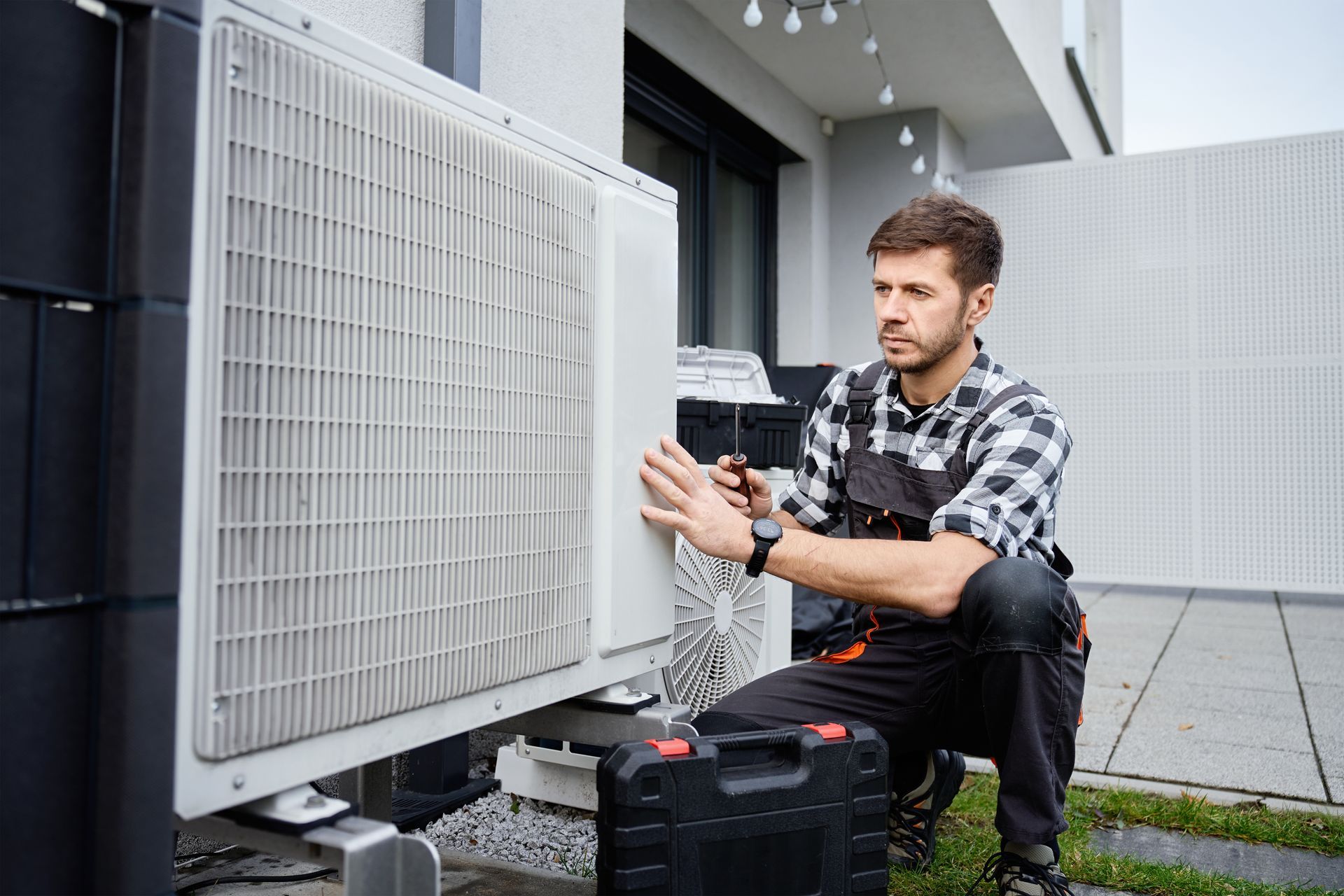
Knowing the operational quirks of your heating system allows you to accurately judge when something is genuinely wrong. Monitoring the length of a defrost cycle and checking your filters will prevent most winter heating headaches. Contact our technicians to inspect your reversing valve and refrigerant levels if your system refuses to warm up after a hard freeze.