Why You Need a Thermal Envelope Inspection Before HVAC Upgrades
Replacing an aging air conditioning and heating system is a major financial decision for any property owner. At DD Mechanical Services we frequently meet homeowners who assume their new equipment should be the exact same size as their old unit. This assumption often leads to thousands of dollars wasted on oversized machinery that fails to properly dehumidify the house. Getting the size right requires precise mathematical calculations based on the physical structure of your property.
Taking the time to evaluate the specific heat load of your property is the only way to guarantee a comfortable indoor climate. A proper thermal envelope inspection removes the guesswork from the equation entirely. We are going to explain exactly why this rigorous assessment is a mandatory step before you commit to any major HVAC upgrades. You will learn how precise physical measurements dictate the exact tonnage your house actually needs.
Here is a look at what we will cover:
- The Danger of Guessing Equipment Size
- What a Thermal Envelope Inspection Actually Measures
- How State Mandated Software Changes the Outcome
- Frequently Asked Questions
- Making an Informed Upgrade Decision
The Danger of Guessing Equipment Size
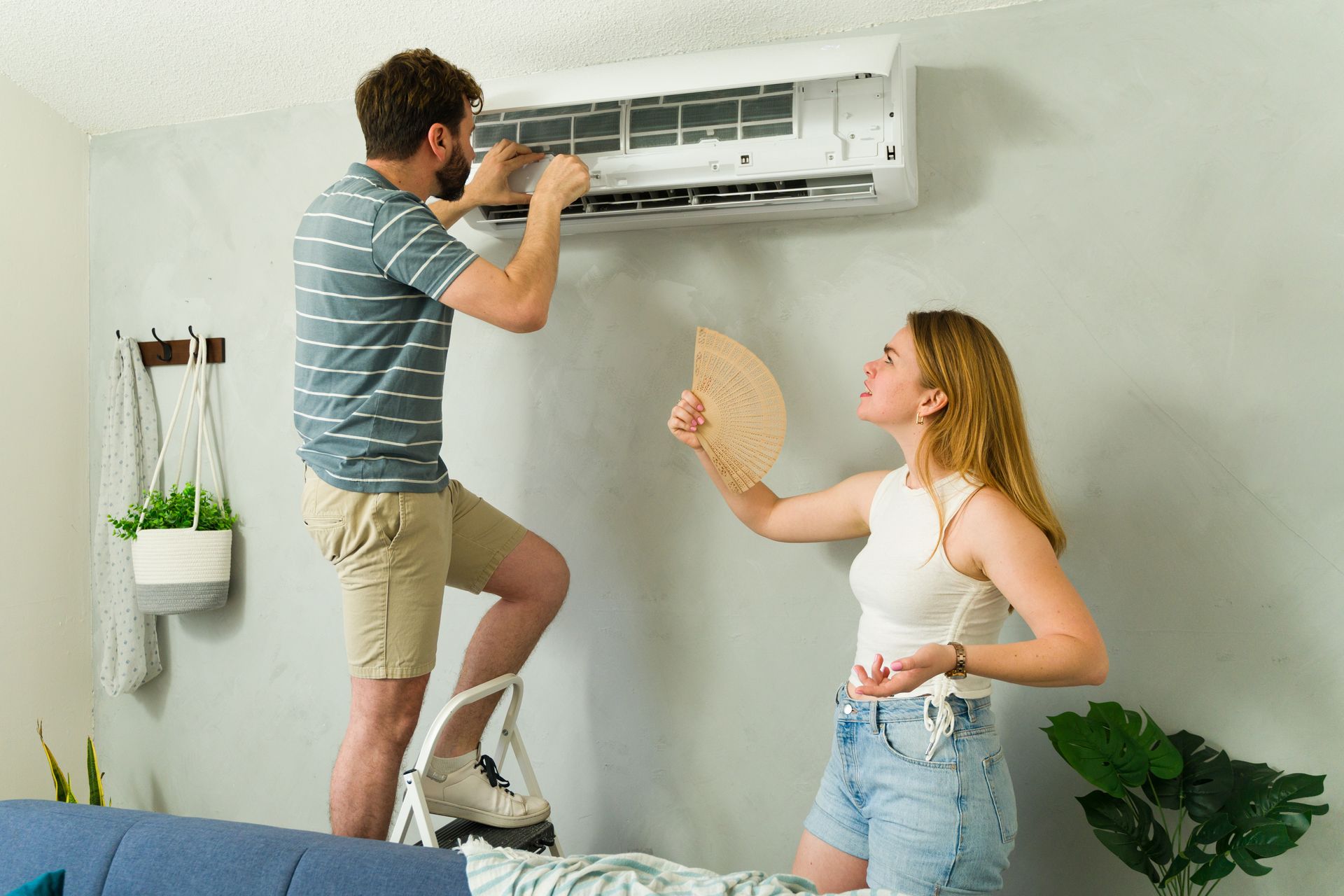
Many contractors simply look at the label on your broken outdoor unit and order a new one with the exact same capacity. If you find yourself asking, do I need a load calculation before replacing my HVAC system, the answer is an absolute yes. If the original installer oversized the unit twenty years ago, simply swapping it out means you will inherit the exact same operational flaws. An oversized air conditioner cools the air too quickly and shuts off before it has time to pull humidity out of the rooms.
This leads to a house that feels cold but incredibly clammy and uncomfortable. Conversely, an undersized unit will run constantly without ever reaching the desired temperature on your thermostat. Both scenarios result in premature mechanical failure and inflated monthly energy bills. A professional thermal envelope inspection proves exactly what size equipment is required to balance the temperature and humidity perfectly.
What a Thermal Envelope Inspection Actually Measures
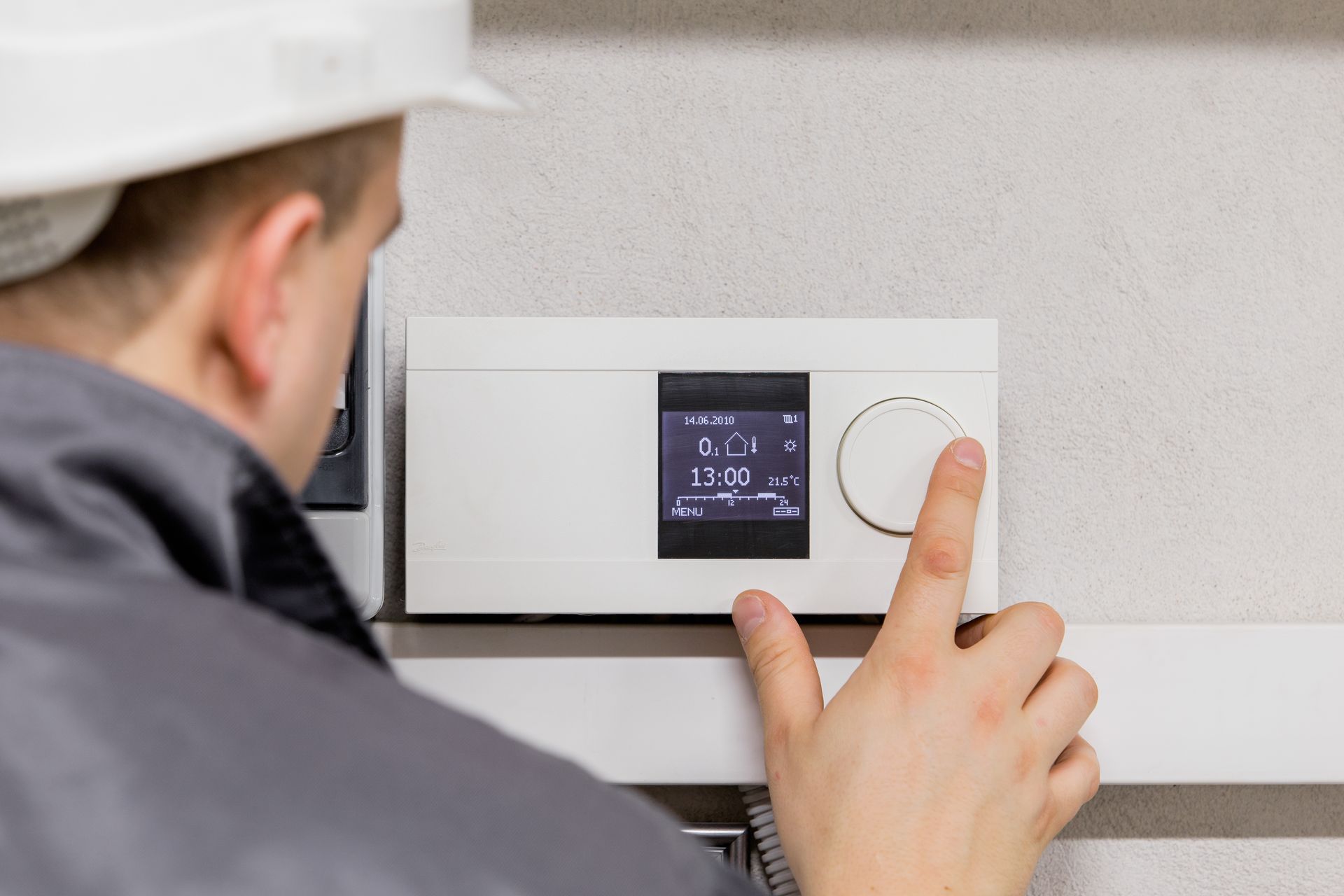
The thermal envelope is the physical barrier separating your conditioned indoor air from the outdoor elements. When our technicians arrive at a home in Cinco Ranch, Texas they do not just look at the existing unit. We spend time meticulously evaluating every factor that allows thermal energy to enter or escape the structure. This data collection process takes anywhere from thirty minutes to four hours depending on the architectural complexity of the building.
We take inventory of every heat generating appliance and measure every exterior wall, door, and window. The direction your windows face and the quality of your attic insulation play a massive role in how much heat enters your living space during the summer. Even the ceiling height and the type of roofing material are factored into the final calculation. We document every single physical detail that impacts your total heating and cooling services demand.
How State-Mandated Software Changes the Outcome
Gathering raw data is only the first step in the assessment process. Once our technicians measure the property, we input those precise figures into a Texas State mandated software program designed specifically for the HVAC industry. This software runs complex algorithms to determine the exact heat load of your specific floor plan. The output is a highly detailed report that often averages twenty pages in length.
This report acts as the blueprint for designing custom cooling system upgrades that fit your requirements and budget. You are no longer relying on a rough estimate or a generic rule of thumb. This level of clinical precision ensures your new equipment will operate at peak efficiency for the next fifteen years.
Frequently Asked Questions
Does planting trees around my house change my heat load?
Yes, mature shade trees block direct solar radiation from hitting your roof and windows. This natural shading significantly reduces the radiant heat entering your home during the afternoon. If you have added significant landscaping since your house was built, your cooling requirements have likely decreased.
Will upgrading my windows change the size of the AC I need?
Replacing single pane glass with energy efficient double pane windows drastically improves your thermal envelope. Upgraded windows block thermal transfer so effectively that you might actually need a smaller air conditioning unit than you currently have. A new load calculation will prove exactly how much cooling capacity you can safely reduce.
Making an Informed Upgrade Decision
Investing in new climate control equipment should never involve guesswork or basic assumptions. Having precise data on how your property gains and loses heat protects you from buying the wrong machinery. Reach out to our team to schedule a thorough structural measurement before you commit to replacing your existing unit.