The Hard Truth About Cracked Heat Exchangers and Furnace Repair
Hearing that your furnace has a cracked heat exchanger is one of the most stressful moments for a homeowner. At DD Mechanical Services we know this specific mechanical failure brings heavy financial decisions and serious safety concerns to the forefront. A cracked heat exchanger is not a minor inconvenience that can be patched up or ignored for a few months.
Navigating cracked heat exchangers and furnace repair requires a clear understanding of exactly how your heating equipment operates. There is a lot of misinformation regarding what can actually be fixed and what requires a total replacement. We are going to break down the physical reality of this failure mode so you can make the safest decision for your property.
In This Article
- The Mechanical Reality of Heat Exchangers
- Why Repairing a Crack is Rarely an Option
- Timelines and Replacement Expectations
- Frequently Asked Questions
- Taking Action on Furnace Safety
The Mechanical Reality of Heat Exchangers
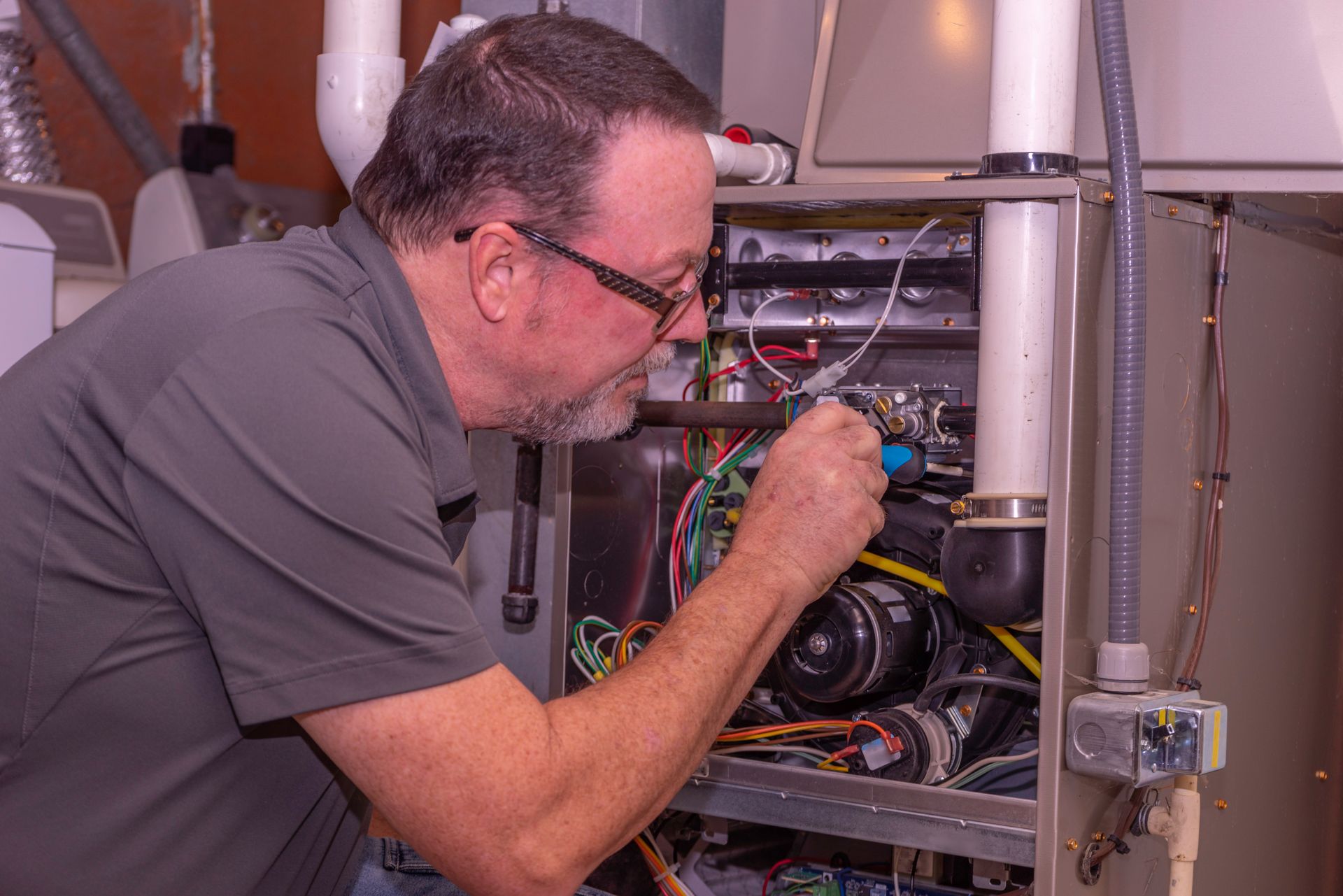
The heat exchanger is the metal heart of your gas furnace. It acts as a physical barrier that separates the toxic combustion gases of the burner flame from the clean air circulating through your home. As the metal heats up it expands, and as it cools down it contracts, which places constant thermal stress on the component over many years of operation.
When a furnace is starved for airflow due to a dirty filter or an oversized burner the metal experiences extreme temperature swings. Over time this constant stress causes the metal to weaken and eventually fracture along the seams or curves. Once this metal barrier is compromised the toxic exhaust gases have a direct path into your living space.
→ From a professional standpoint: Routine heating inspections are the only reliable way to catch microscopic stress fractures before they open up completely.
Why Repairing a Crack is Rarely an Option
Homeowners often ask if a crack in the metal can simply be welded shut to save money on cracked heat exchangers and furnace repair. The hard truth is that repairing a heat exchanger is an extreme safety liability and is universally rejected by reputable HVAC professionals. Welding alters the metallurgical structure of the component, making it highly susceptible to cracking again right next to the new weld.
Additionally, standard welding cannot reach the internal bends and complex curves of a modern tubular heat exchanger. Any attempt to patch the metal is a temporary gamble with the health and safety of everyone inside the house. When a technician condemns a heat exchanger it means the physical integrity of the furnace is permanently compromised.
→ A quick tip to remember: Manufacturers explicitly void the warranty of any furnace if the heat exchanger has been altered or welded by a third party.
Timelines and Replacement Expectations
When facing a failed heat exchanger property owners in Richmond must decide between replacing the part or replacing the entire furnace. If the furnace is under ten years old the part itself is usually covered by a manufacturer warranty, leaving you responsible only for the labor costs. However, tearing down a furnace to swap this internal component is highly labor intensive and often takes a full day to complete.
For systems older than twelve years installing a new heat exchanger is generally a poor financial investment. By this age other expensive components like the blower motor and control board are nearing the end of their operational lifespan. Investing that labor cost into a brand new, highly efficient heating system is usually the most logical path forward.
Frequently Asked Questions
What are the warning signs of a cracked heat exchanger?
You might notice soot building up inside the furnace cabinet or around the exterior exhaust vents. The burner flames may burn a lazy yellow or orange instead of a crisp blue, indicating a disruption in the combustion draft. You may also hear rattling or popping sounds as the damaged metal expands rapidly during the heating cycle.
Is a cracked heat exchanger dangerous?
Yes, a cracked heat exchanger is incredibly dangerous and requires immediate action. The crack allows carbon monoxide gas to mix with the clean air blowing out of your supply vents. Carbon monoxide is odorless and colorless, making it a silent threat that can cause severe illness or fatalities without proper detection alarms in place.
How much does it cost to replace a heat exchanger?
If the part is out of warranty a new heat exchanger and the associated labor can easily exceed a thousand dollars. The physical part is expensive and tearing the entire furnace apart to install it requires hours of highly skilled labor. This high cost is exactly why technicians often recommend putting that money toward a total system replacement on older units.
Taking Action on Furnace Safety
Accepting the reality of a failed heat exchanger allows you to move forward without wasting time on dangerous patch jobs. Prioritizing the safety of your indoor air quality is the only correct response when dealing with compromised combustion equipment. Contact our experienced technicians today to evaluate your heating system and secure a permanent solution for your home.