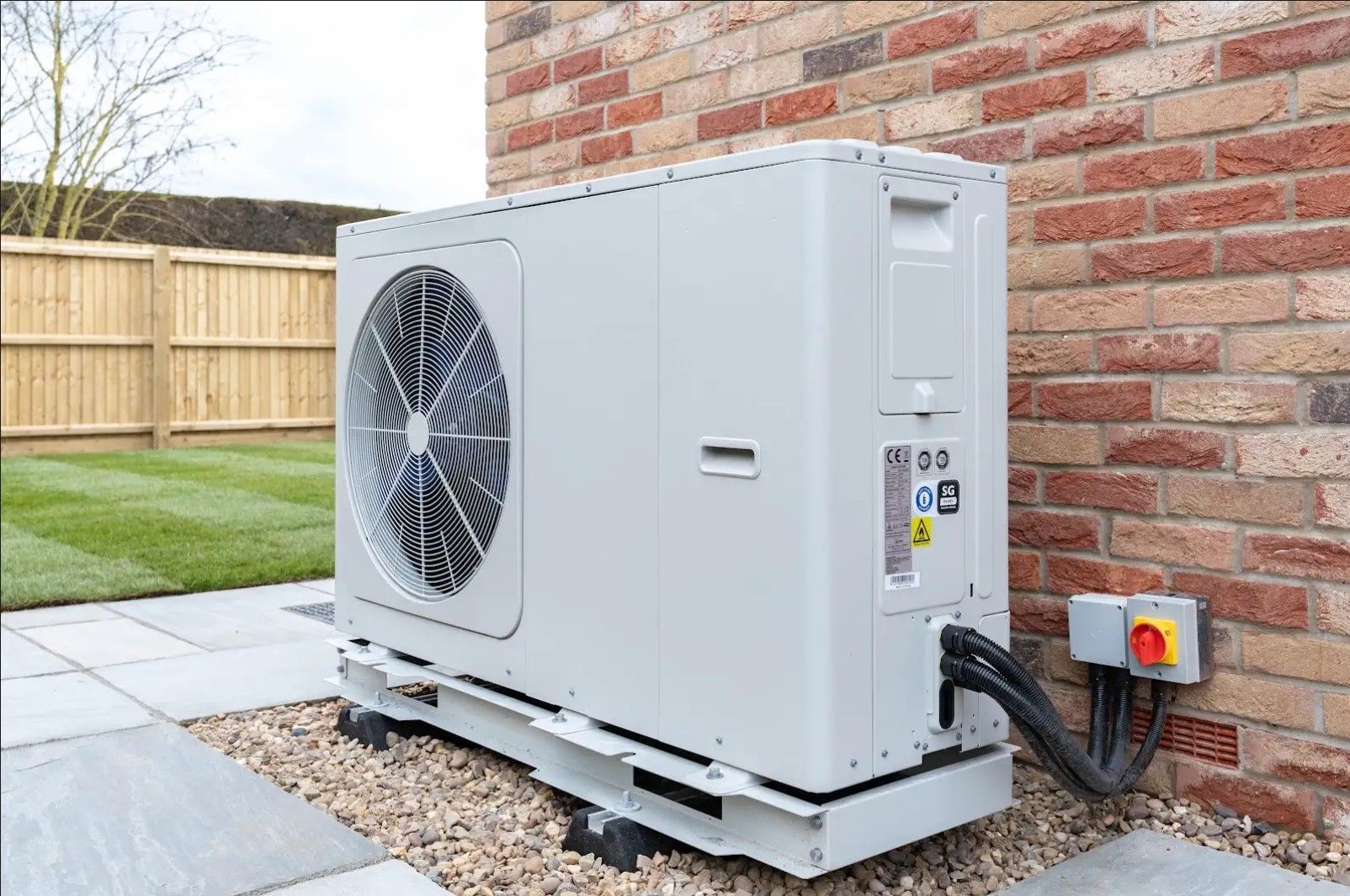
Why Your Katy Home Air Conditioner Freezes During Texas Summers
Finding a block of ice on your AC unit when you need cooling the most is a frustrating experience for any homeowner. At DD Mechanical Services we get frantic calls every summer from residents dealing with a system that has completely frozen over. When a Katy home air conditioner freezes it stops cooling your house and puts immense strain on the internal mechanical parts.
Fixing a frozen AC coil requires more than just waiting for the ice to melt. You have to identify the root physical cause to keep the issue from happening again. We are going to walk through exactly what causes this failure mode and how a professional approach will restore your comfort. Our goal is to help you get your cooling system back online efficiently.
What We Cover In This Guide
- Airflow Restrictions and Filter Neglect
- Low Refrigerant Levels and System Leaks
- Why does my AC pipe have ice on it in the summer?
- The Danger of DIY De-Icing Attempts
- Time to Thaw Out Your Cooling System
Airflow Restrictions and Filter Neglect
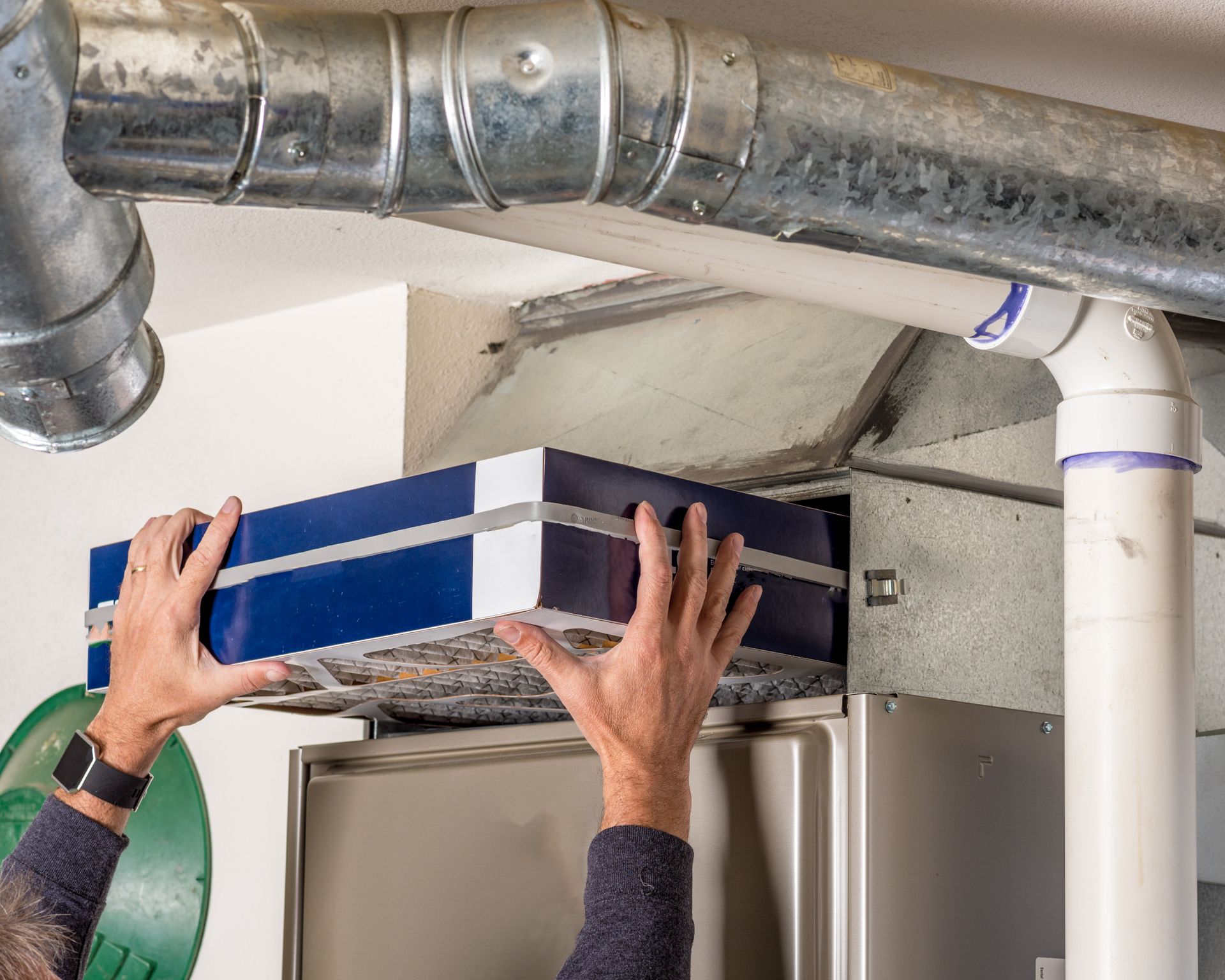
The most common reason an evaporator coil freezes is a severe lack of airflow moving across the equipment. Your cooling system relies on a steady volume of warm indoor air to keep the metal coils above the freezing point. When a filter becomes packed with dust and debris it chokes off that vital air supply.
Without that warm air absorbing the cold energy from the refrigerant the moisture in the air begins to freeze directly onto the coil fins. This layer of frost quickly compounds into a solid block of ice that blocks airflow entirely. Swapping out a dirty filter is the first troubleshooting step any homeowner should take before calling for an inspection.
→ A quick tip to remember: Check your return air filters monthly during times of heavy system usage.
Low Refrigerant Levels and System Leaks
If your filter is clean but the unit is still turning into an icebox you are likely dealing with a refrigerant issue. Air conditioners do not consume refrigerant like a car consumes gas. If the system is low on this vital fluid it means there is a physical leak somewhere in the copper lines or coil connections.
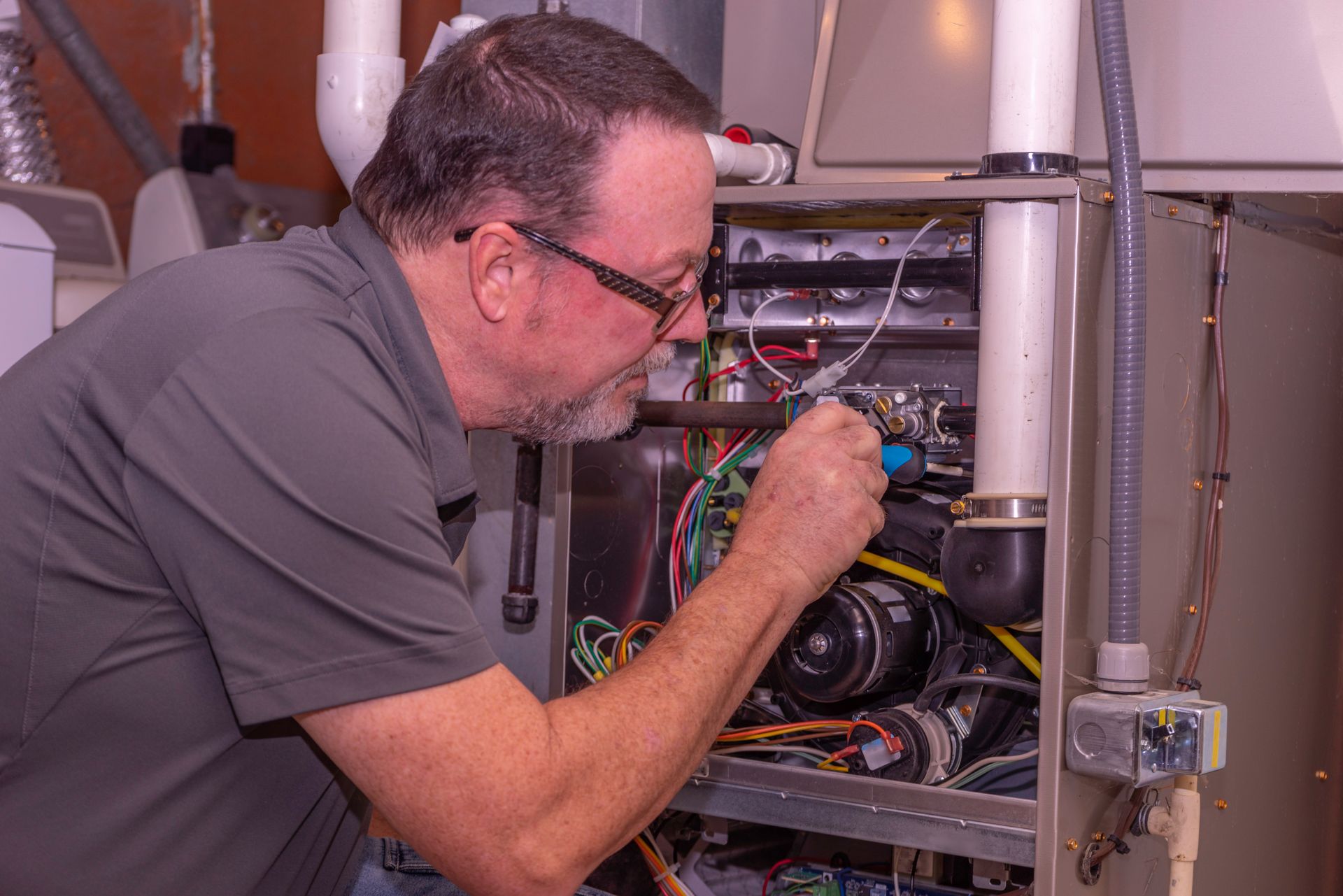
When the system pressure drops due to a leak the temperature of the remaining refrigerant drops right along with it. This creates an abnormally cold coil that flash-freezes ambient humidity. Resolving this requires a trained technician to locate the microscopic leak, seal it, and recharge the system to exact factory specifications. We often perform these checks during our routine heating and cooling system inspections across Katy and surrounding areas.
Many older homes in the area experience these gradual refrigerant leaks that lead to severe cooling system issues over time. This is a pattern the team at DD Mechanical Services hears regularly when assessing aging equipment.
► Client Experience: DD Mechanical has provided excellent service for us, as well as installation of new units. Our home is almost 30 years old, so we have had some air conditioning issues, but DD has been diligent in researching the problems and offering thoughtful, reliable solutions. We highly recommend them! - Victoria Hollon
Getting a reliable solution instead of a quick top-off is the only way to stop an aging unit from freezing up repeatedly.
Why does my AC pipe have ice on it in the summer?
Homeowners often notice a thick layer of ice wrapping around the large copper pipe outside their house. This insulated line carries cold suction gas back to the compressor. Ice forms here when the indoor coil is already frozen solid, forcing the excess cold liquid to travel back down the line toward the outdoor unit.
Seeing ice on this exterior pipe is a major warning sign that your compressor is at risk of receiving liquid refrigerant instead of vapor. Compressors are designed to pump gas, and hitting them with liquid can cause catastrophic mechanical failure. If you see ice on this pipe you need to turn the thermostat off immediately.
→ From a professional standpoint: Never let a system continue running if you spot frost spreading to the outdoor pipes.
The Danger of DIY De-Icing Attempts
When a Katy home air conditioner freezes it is tempting to chip away the ice with a tool or speed up the melting process with a heat gun. This is the fastest way to turn a manageable repair into a complete system replacement. Evaporator coils are made of thin aluminum or copper tubing that punctures easily under mechanical force.
Using sharp objects to remove ice will almost certainly rupture the pressurized lines. Applying direct high heat can melt the delicate fins or warp the internal drain pan, causing massive water damage when the ice finally thaws. The only safe way to thaw a unit is to turn the cooling function off and turn the fan to the on position, allowing room temperature air to melt the ice naturally.
→ A quick tip to remember: Place towels around the indoor unit base to catch the heavy volume of water as the solid ice melts.
Time to Thaw Out Your Cooling System
Knowing exactly what to do when your AC unit freezes can save you from a massive repair bill. Managing your filters and recognizing the warning signs of low refrigerant will keep your property comfortable and safe. Contact our technicians to properly diagnose your frozen coil and get your equipment running the way it should.