Why Ignoring a Short Cycling Gas Furnace Will Cost You This Fall
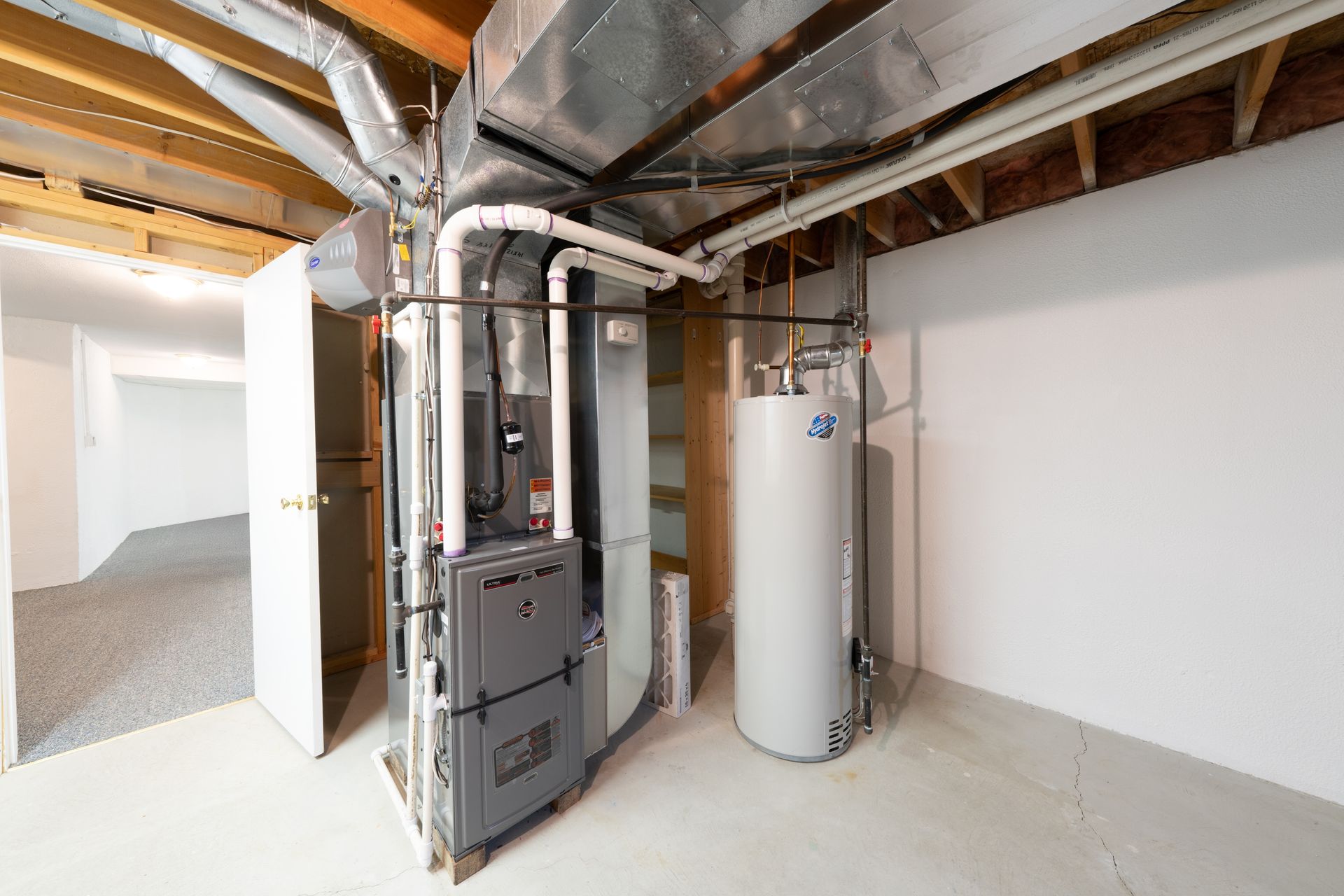
A gas furnace that repeatedly turns on and off after just a few minutes is a machine crying out for help. At DD Mechanical Services we know that this rapid on and off behavior is called short cycling. Ignoring a short cycling gas furnace is a surefire way to destroy the mechanical components before winter even arrives. When your heating equipment fails to complete a full operational cycle it means an internal safety switch is forcing an emergency shutdown.
Property owners in Brookshire often assume the system is just getting up to speed as the Texas temperatures drop. The reality is that short cycling places a massive electrical and thermal strain on every single moving part inside the cabinet. Taking action right now is the only way to prevent a total mechanical failure when you need the heat the most. We have mapped out the exact steps you need to take to resolve this urgent heating problem today.
In This Article
- Stage 1: Assess the Warning Signs
- Stage 2: Schedule Professional Diagnostics
- Stage 3: Protect Your Heating Investment
- Frequently Asked Questions
- Securing Your Winter Heating Reliability
Stage 1: Assess the Warning Signs
Catching a short cycling issue early requires paying close attention to how your system sounds and behaves. You need to establish exactly how long the burner stays lit before the system goes quiet again. Gathering this information helps you communicate the severity of the problem to a trained professional.
- Timing the Cycle: Stand next to the unit and use a stopwatch to record exactly how many minutes the main burner flame stays ignited.
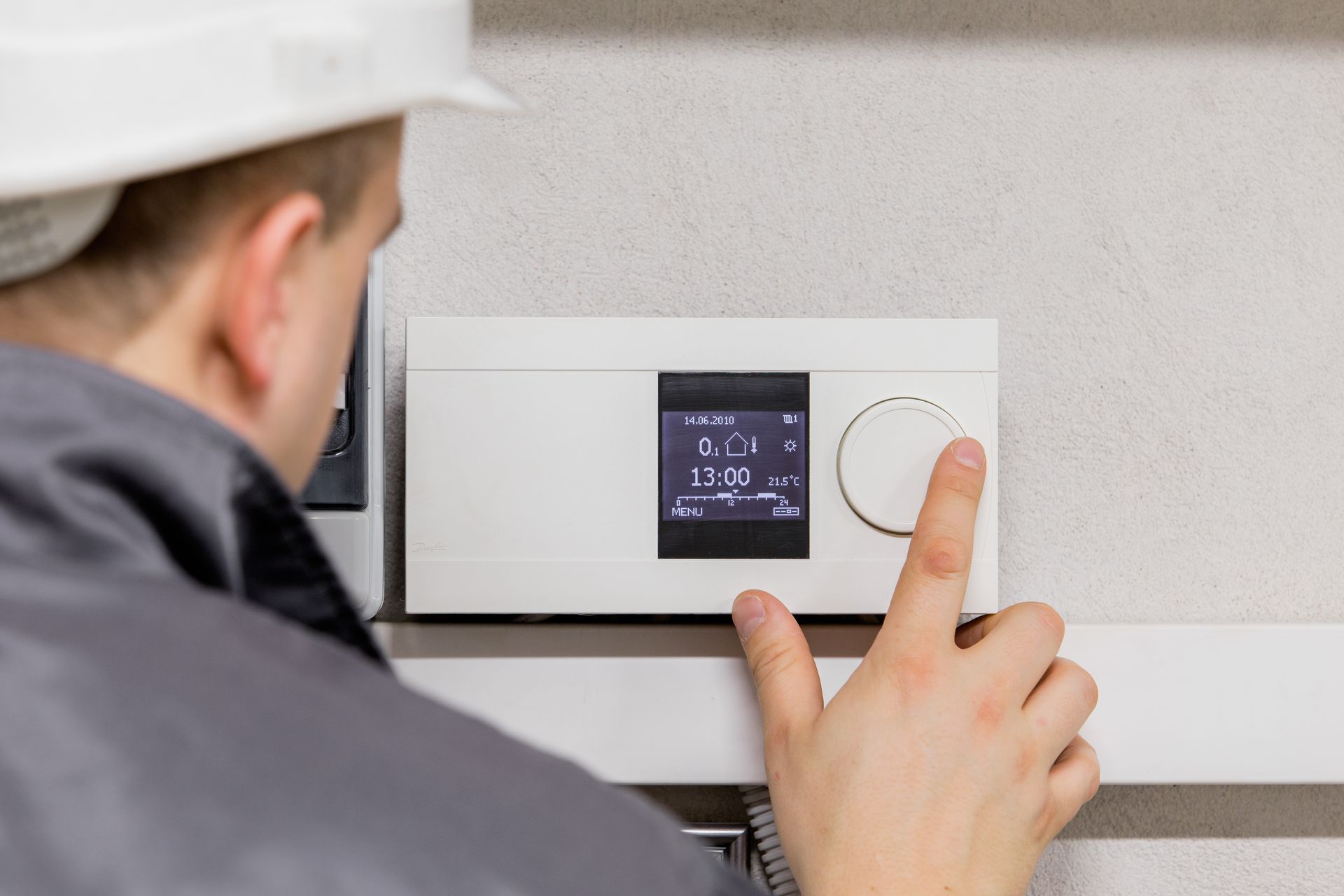
- Thermostat Observation: Check if the indoor temperature is actually reaching the set point on your thermostat before the system shuts down.
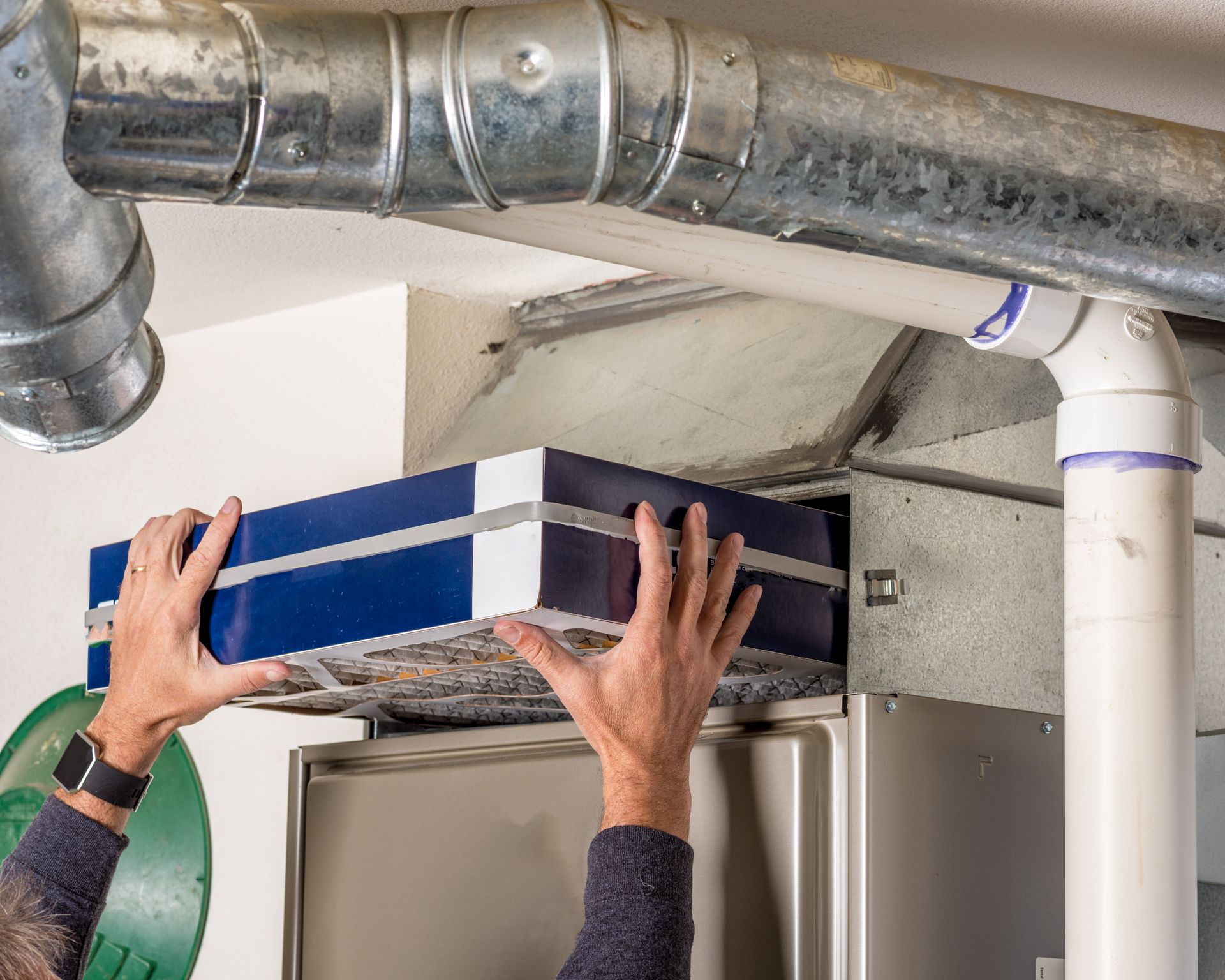
- Filter Inspection: Pull your return air filter and verify if a thick layer of dust is suffocating the intake airflow.
Stage 2: Schedule Professional Diagnostics
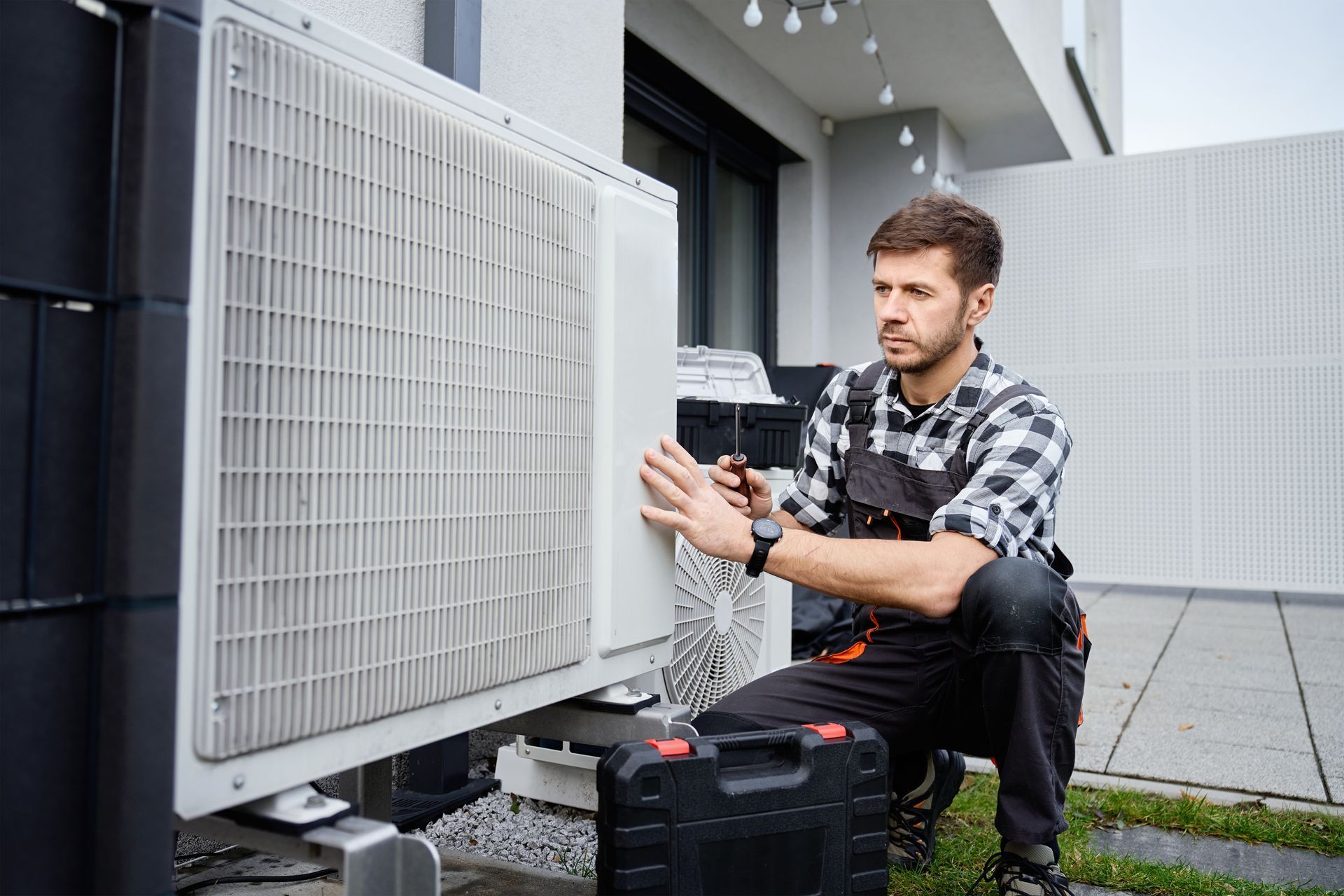
Once you confirm the system is actively short cycling you must bring in a qualified expert. Heating repairs involve combustible gas and high voltage electricity which are incredibly dangerous for untrained individuals to handle. Getting a technician out early in the season guarantees you avoid the massive wait times that happen during the first hard freeze.
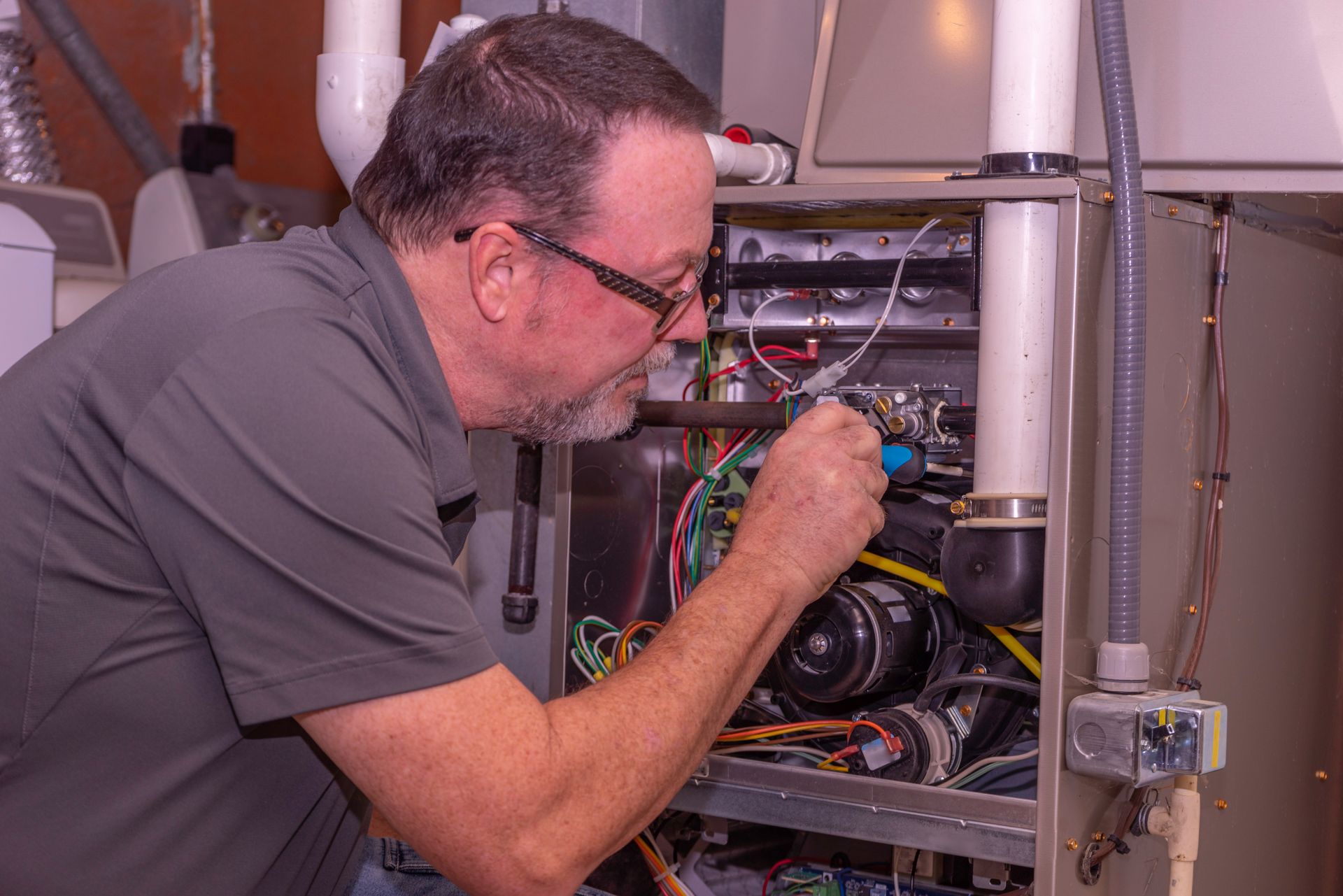
Component Testing: A technician will use specialized meters to test the resistance limits on your limit switches and flame sensors.
Airflow Calculations: Professionals measure the exact static pressure inside your ductwork to ensure the blower motor is not fighting massive resistance.
Gas Pressure Calibration: We inspect the gas valve to confirm the manifold pressure meets exact factory specifications for safe combustion.
► The most critical urgency fact is that a furnace allowed to short cycle for a full season will suffer permanent, irreversible damage to the primary heat exchanger.
Stage 3: Protect Your Heating Investment
After the immediate repair is completed you need to shift your focus to long term protection. Consistent maintenance is the only proven method to keep your furnace running in long, efficient heating cycles. Implementing a strict care routine prevents these mechanical disruptions from returning next year.
- Scheduled Inspections: Book an annual heating and cooling services appointment every fall to clean the ignition components before they fail.
- Upgraded Filtration: Switch to a pleated filter that catches fine dust without starving the blower motor of required air volume.
- Clear Perimeters: Remove all boxes, furniture, and storage items from the immediate area surrounding your indoor furnace cabinet.
Frequently Asked Questions
Why does my furnace shut off after two minutes?
A shutdown after two minutes almost always indicates that a primary safety limit switch has tripped. This happens when the internal cabinet temperature rises too fast due to poor airflow or an oversized burner flame. The control board kills the gas supply instantly to prevent the metal heat exchanger from warping or catching fire.
Can a dirty flame sensor cause short cycling?
Yes, a dirty flame sensor is a leading cause of rapid system shutdowns. The sensor is a metal rod that sits directly in the burner flame to prove ignition has occurred. If carbon buildup insulates this rod it cannot read the microamps of the flame, causing the control board to shut the gas off within seconds for safety.
Does short cycling damage the furnace blower motor?
Short cycling is incredibly destructive to the blower motor and its internal electrical windings. Electric motors draw an enormous surge of power during the initial startup phase. Forcing the motor to endure that heavy electrical spike repeatedly throughout the day will burn out the capacitor and ultimately destroy the motor itself.
Securing Your Winter Heating Reliability
Addressing a short cycling furnace right now saves you from freezing nights and catastrophic replacement bills later. The window for easy preventative repairs closes fast once the heavy cold fronts hit our area. Reach out to our dispatch team today to get an expert on site while we still have open availability on the schedule.